
What is green transportation?
Green transportation, also known as environmentalism, is an approach that combines business efficiency with environmental concerns. In practice, this means reducing harmful emissions, reducing noise, making better use of cargo space and minimizing losses in the supply chain. Modern logistics is no longer based solely on getting goods from point A to point B – increasingly, customers are demanding from their partners that the mode of transportation respond to climate challenges and comply with sustainability policies.
More and more manufacturing and trading companies are introducing their own ESG policies, and choosing a logistics partner is becoming part of building a responsible brand image. That’s why green transportation is no longer a trend or fad – it’s a real competitive advantage that can be leveraged by companies investing in the future.
Modern solutions in environmentalism
Electric and low-emission trucks
Transportation fleets across Europe are undergoing a transformation. Electric trucks, powered by batteries or hydrogen, are increasingly appearing on the roads of Germany, the Netherlands or France. At the same time, LNG and CNG transport is developing, which, while not fully zero-emission, allow for a significant reduction in exhaust gases. For large transportation companies, it’s an investment challenge, but also a way to prepare for future restrictions on entry into city centers or low-emission zones.
Optimization of routes and loads
One of the simplest yet most effective measures is better route planning and cargo pooling. With the help of advanced telematics systems, logistics companies can plan trips in such a way that trucks do not run empty and transportation is carried out with the least fuel consumption. This not only saves the environment, but also reduces operating costs in real terms.
Digitization of documentation
Implementing electronic bills of lading and digital workflows reduces bureaucracy and reduces paper consumption. This is another step toward modern, environmentally friendly logistics, which further speeds up customer service and minimizes the risk of errors.
EU regulations and road transport
The European Union has been pursuing policies to reduce greenhouse gas emissions from transportation for years. Euro emission standards, the ETS for road transport, or mandatory carbon footprint reporting for large companies are making logistics one of the key areas of transformation. Carriers that fail to comply with the new regulations can expect rising costs, financial penalties and restricted access to markets.
In this context, investment in environmentalism is no longer a choice, but a necessity. Companies that take action now will not only be able to avoid penalties, but also offer image and operational advantages to customers.
How does XL LOGISTICS implement green transportation principles?
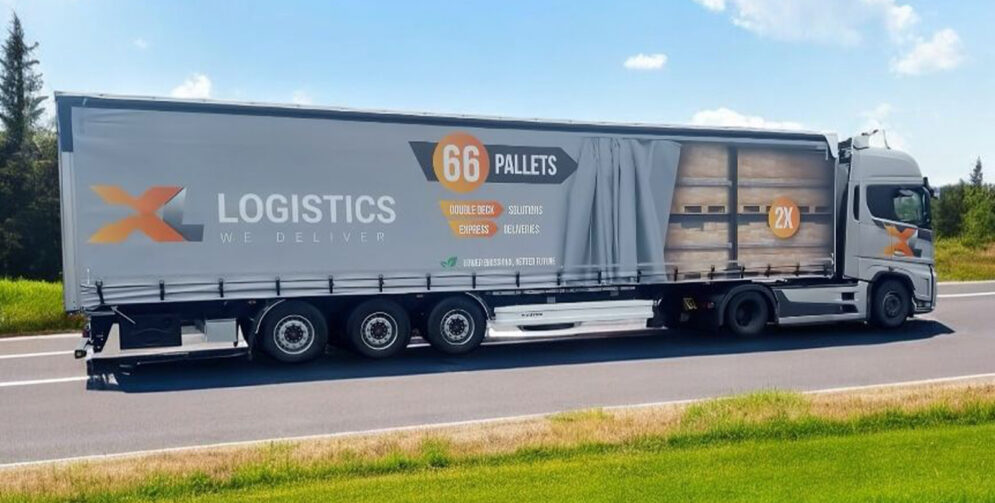
At XL LOGISTICS, we believe that the future of transportation is environmental responsibility. That’s why we’re investing in route optimization and fleet modernization, and working with partners who are implementing sustainable solutions. This allows us to guarantee customers that their goods are transported in a manner that complies with the latest environmental standards, while maintaining the highest quality of service.
Benefits for companies from working with an ecological partner
Choosing a logistics partner that cares about the environment is not just a matter of image. It’s also a tangible financial savings through better route planning, the ability to more easily report ESG activities and greater security in the face of changing regulations. Companies using green services can also communicate to their customers and clients that they are making a real contribution to reducing emissions, which is increasingly influencing consumer purchasing decisions.
💡 Want to make your business greener? Contact XL LOGISTICS and see how we can support you in sustainable transportation.
